Why Is It Called Mezcal? A Look Into Its History
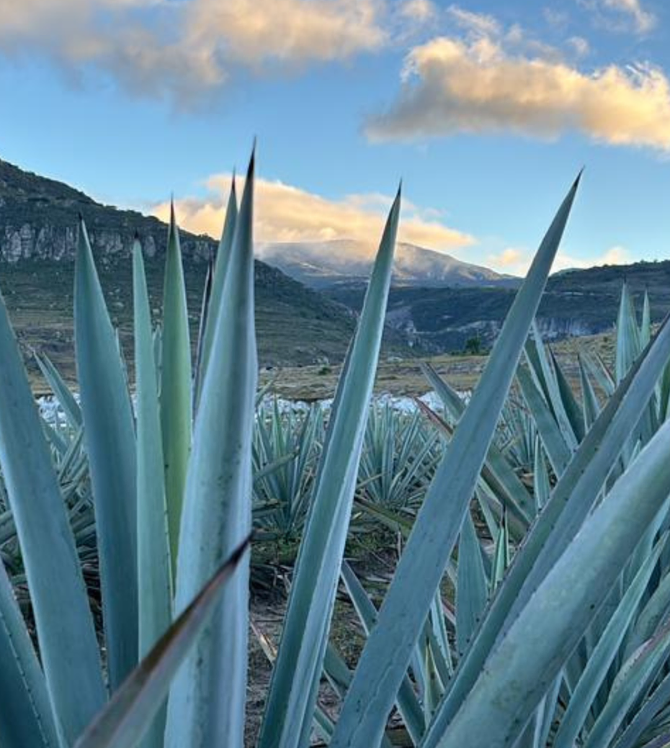
Mezcal is a traditional Mexican spirit made from different types of agave plants. Unlike tequila, which uses only blue agave, mezcal can be made from over 30 types of agave, like Angustifolia and Karainskii. Each type of agave gives mezcal its own unique flavour. The heart of the agave, called the "piña," is used to create the spirit. So, let’s learn more about the magic of mezcal…
The History of Mezcal
Mezcal's origins go back to a time before the Spanish arrived, when it was seen as a sacred drink used in rituals and ceremonies. The name "mezcal" comes from the Nahuatl words metl (agave) and ixcalli (cooked), meaning “oven-cooked agave.” This unique process of roasting the agave in the earth gives mezcal its smoky flavour. Passed down through generations, mezcal-making remains a part of the spiritual and cultural heritage that shapes this special spirit.t
Mezcal Reina is a keeper of unique spirits, offering ancestral mezcales made entirely by Maestro Mezcaleros—craftsmen with centuries of experience. Made in Oaxaca, Mexico, these mezcales celebrate both the art and the deep history that define the spirit. Each bottle is a tribute to the ancient tradition of mezcal-making, filled with the magic of the land.
Mezcal Production: A Craft Of Time & Tradition
The production of mezcal is an intricate art that honours its ancestral origins. While it is most commonly made in Oaxaca, other regions of Mexico contribute to its diversity. The production process reflects a deep respect for the natural and cultural landscapes from which it is born.
Harvesting: Agave plants, which may take anywhere from 7 to 30 years to mature, are carefully selected and harvested by skilled farmers known as "Jimadores."
Roasting: The piñas are roasted in masonry ovens or conical pits dug into the ground, lined with hot stones and covered with agave leaves and earth, a method that imparts mezcal’s signature smoky flavour.
Grinding: After roasting, the softened piñas are crushed to extract the agave juice, traditionally using a mallet or a stone wheel (tahona) operated by animal power or by hand.
Fermentation: The agave juice is mixed with water in open-air vats, where natural yeasts ferment it into an alcoholic mash.
Distillation: The mash is distilled in copper, clay, or stainless steel pots. Mezcal is typically distilled twice to reach the desired purity and strength.
Aging (Optional): While many mezcals are enjoyed young (Joven), some are aged in oak barrels to produce Reposado or Añejo varieties, offering a smoother, more complex flavour.
Different Varieties of Mezcal
Mezcal showcases a rich diversity in its various expressions, influenced by the type of agave used, the region of production, and the unique practices of the mezcalero (the mezcal producer). From the widely used Espadin agave to the rare Arroqueno the choice of agave plant plays a key role in shaping the spirit’s flavour, aroma, and texture.
Mezcal can be enjoyed in many ways – neat, with a slice of orange and a sprinkle of worm salt, or in a cocktail. It’s typically served in copitas, veladora glasses, or a calabash tree jícara. Mezcal’s complex flavours make it a versatile spirit for mixology, inspiring bartenders to craft innovative cocktails that highlight its unique qualities.
Some of Our Favourite Mezcal Cocktails
Discover the art of mezcal mixology with these two cocktail creations:
Mezcal Margarita: A smoky twist on the classic margarita, made with Mezcal Reina, lime juice, and agave syrup for a citrusy, smoky kick.
Smoky Paloma: Mezcal Reina combines with grapefruit soda and lime, offering a refreshing yet smoky take on the traditional Paloma.
Both of these cocktails showcase mezcal’s versatility, elevating its smoky depth in delicious and unique ways.