Mezcal vs Tequila: What Sets These Agave Spirits Apart?
When it comes to agave-based spirits, mezcal and tequila are fan favourites and often spark lively conversations. At Mezcal Reina, we’re passionate about curating one-of-a-kind spirits, ancestral Mezcales handcrafted by Maestro Mezcaleros—skilled artisans with centuries of experience in Oaxaca, Mexico.
The art of producing Mezcal is steeped in mythology and tradition, and becoming a sought-after mezcalero is a skill passed down through generations. We’re dedicated not just to crafting some of the finest Mezcals, but also to celebrating the mastery and heritage behind every bottle in our relentless pursuit of Mezcal perfection.
While mezcal and tequila share common roots, there are key differences that make each unique. If you’re curious about what sets them apart, we’re here to help you explore their distinctive characteristics.
1. The Origins and Regions Of Mezcal VS Tequila
One of the biggest differences between mezcal and tequila is where they’re made. Tequila can only be produced in specific regions of Mexico, primarily in Jalisco. Mezcal, on the other hand, can be crafted in a wider range of regions, with Oaxaca being the most famous producer.
2. Mezcal VS Tequila: Agave Varieties
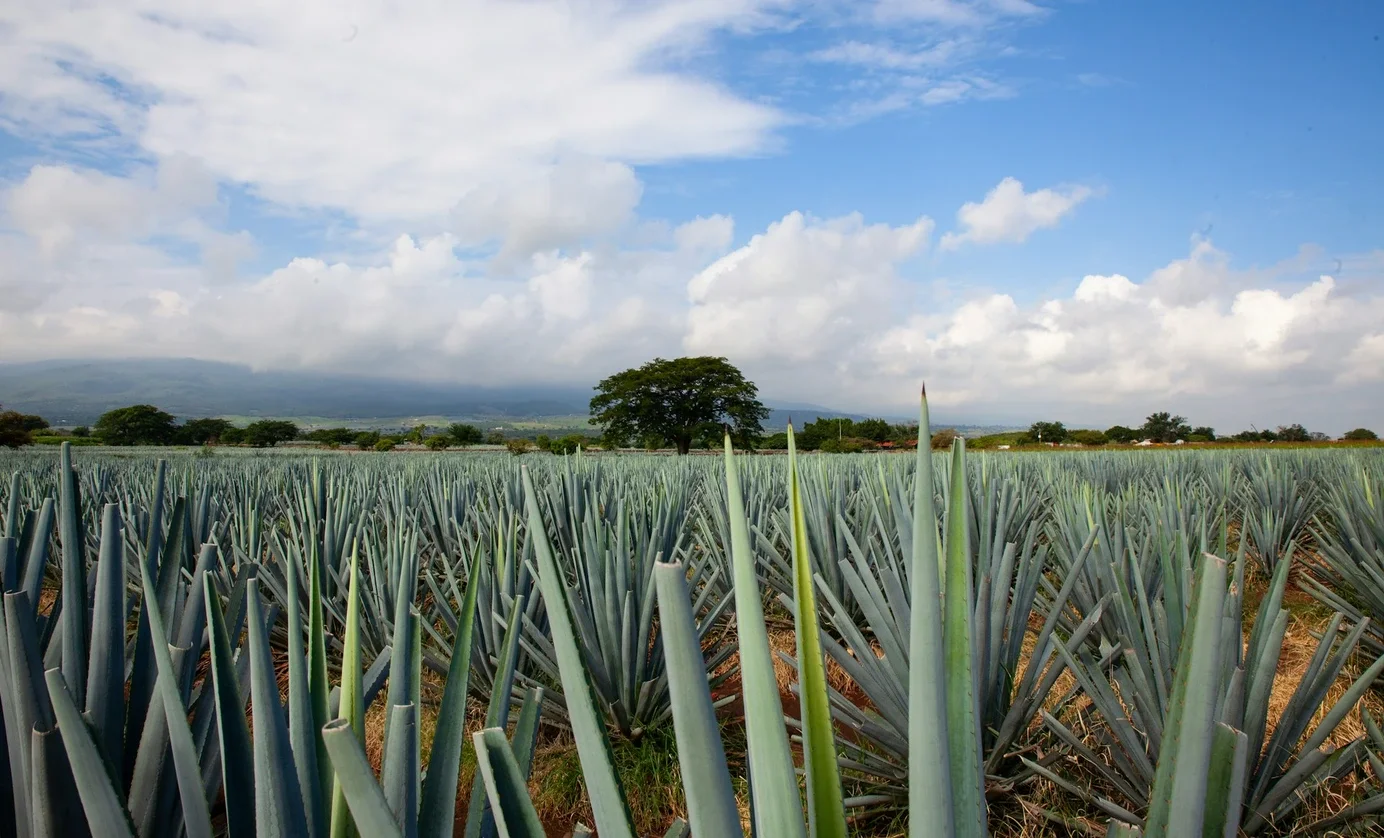
Tequila is made exclusively from blue Weber agave, a plant celebrated for its high sugar content and consistent flavour. Mezcal, however, can be made from over 30 different types of agave, with Espadín being the most common. This diversity gives mezcal a wide range of flavour profiles, making every sip a new experience.
3. How Does The Tequila & Mezcal Production Process Differ?
How these spirits are made also sets them apart. Tequila’s agave hearts (piñas) are usually steamed in industrial steam ovens and then distilled in copper stills, giving it a smooth and consistent taste. Mezcal, however, sticks to its artisanal roots: the piñas are roasted in underground pits lined with volcanic rocks, which gives mezcal its bold and smoky flavour, they can be distilled in clay or copper stills.
4. Flavour Profiles of Mezcal & Tequila
When tasting mezcal vs tequila, the difference in flavours is crystal clear. Tequila typically has a clean, crisp taste with sweet and citrusy notes. Mezcal, thanks to its roasting process, is known for its smoky and complex flavours. It’s often described as having a more layered and bold taste, and of course depending on the agave a huge array of fruity, earthy flavours.
5. The Difference in Aging Categories
Both mezcal and tequila come in different ageing categories:
Blanco/Plata: Unaged or aged for a short time, highlighting the spirit’s pure flavours.
Reposado: Aged for two to twelve months in oak barrels, adding hints of vanilla and caramel.
Añejo: Aged for one to three years, resulting in a richer, smoother spirit.
While the ageing categories are similar, mezcal’s artisanal production often results in more noticeable flavour differences between brands. Another important fact of the aging process i the agave’s maturity of the plant itself, at Mezcal Reina we have up to a 22 year old Agave plant whereas unmodifiedl blue Webber Agave is usually harvested at 6/7 years.
6. Cultural and Ceremonial Significance
In Mexican culture, mezcal and tequila both play important roles, but mezcal is often tied to more traditional ceremonies and rituals. Mezcal is frequently produced in small batches by family-run distilleries, each with its own unique methods and traditions.
7. How to Enjoy Mezcal and Tequila
Tequila is often enjoyed as a shot with salt and lime or used in classic cocktails like the Margarita or Paloma. Mezcal, however, is typically sipped slowly to appreciate its complex flavours. A popular way to enjoy mezcal is with a slice of orange sprinkled with sal de gusano (worm salt). If you’re looking for more delicious cocktail ideas, be sure to check out our cocktails page.